
Industrial Catalog Design
For Engineers and Industrial Clients
Clean. Organized. Professional.
Our Designs
Explore Our Latest Catalog Creations
Discover a range of industrial catalog designs tailored for various needs. Click on an image below to see more details.

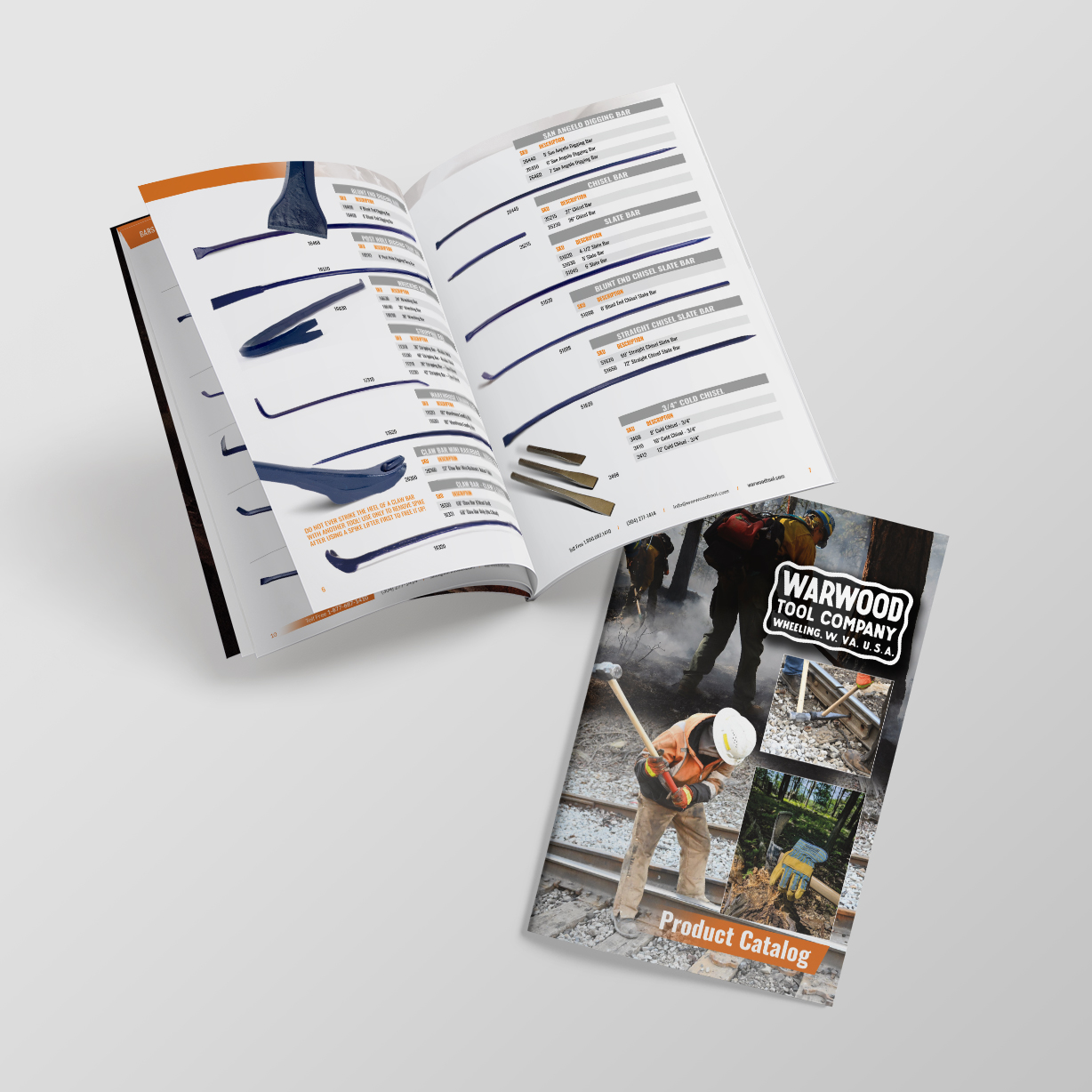
Tools of the Trade: Crafting a World-Class Industrial Catalog
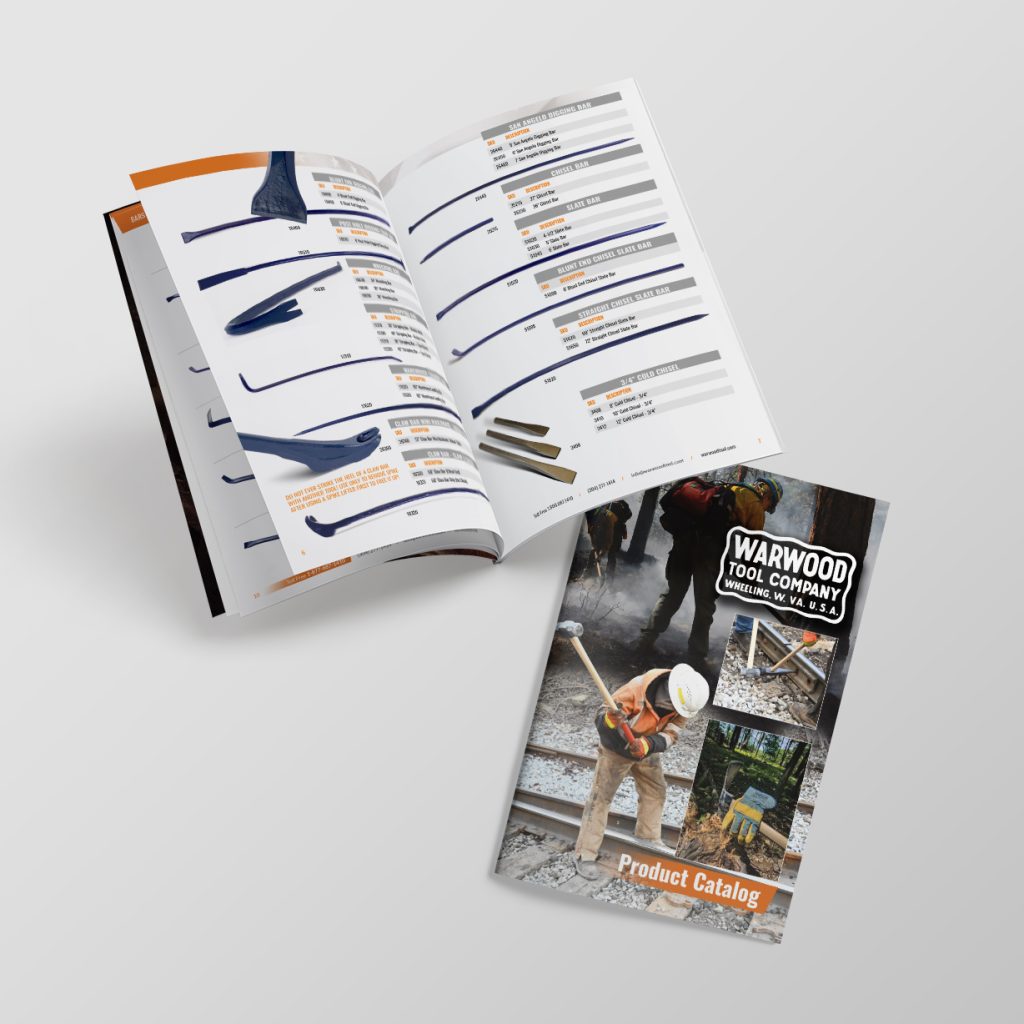
All American-made tools with American-made steel are featured in this catalog we designed and printed.
Designing the 24-page Industrial Catalog
A well-designed industrial catalog is a powerful marketing tool, combining strategic design and high-quality production to drive engagement, enhance usability, and ultimately boost sales. Here’s how good design and production make an industrial catalog effective for marketers:
1. Visual Hierarchy for Quick Navigation
Marketers rely on catalogs that make finding products easy. A clean, intuitive layout with large product images, bold headings, and well-structured charts allows customers to scan and locate items quickly. Thoughtful use of typography, color coding, and whitespace prevents visual clutter and enhances readability.
2. High-Quality Product Imagery
Sharp, detailed images of tools provide clarity and instill confidence in buyers. When customers can see a product’s construction, materials, and features up close, they are more likely to trust its quality. Well-lit, high-resolution images reinforce the craftsmanship of American-made tools.
3. Clear and Concise Information
Marketers need to communicate key selling points efficiently. Easy-to-read charts, bullet points, and structured descriptions ensure that specifications, pricing, and features are digestible at a glance. Too much dense text can overwhelm users, while well-organized data speeds up decision-making.
4. Branding and Emotional Appeal
Strong branding elements—such as a patriotic color palette, American-made callouts, or subtle nods to craftsmanship—help reinforce the catalog’s message. A professional, high-quality design signals reliability, durability, and authenticity, which are key selling points for industrial tools.
5. Print and Digital Optimization
A well-produced catalog is not just a printed piece; it should also be designed for digital distribution. Interactive PDFs with clickable links enhance accessibility for marketers promoting products across multiple platforms.
6. Durability and Quality Printing
A catalog that feels substantial and well-made reflects the quality of the products inside. Sturdy paper stock, high-quality printing, and a well-bound format make the catalog last longer in the hands of distributors, sales teams, and customers.
7. Call-to-Action and Lead Generation
Strategic placement of CTAs—whether a phone number, website, or QR code—guides readers toward the next step. Marketers can use these elements to drive inquiries, online sales, or direct engagement with reps.
By balancing functionality and aesthetics, a well-crafted industrial catalog becomes an essential marketing tool that enhances brand perception, improves customer experience, and drives sales.
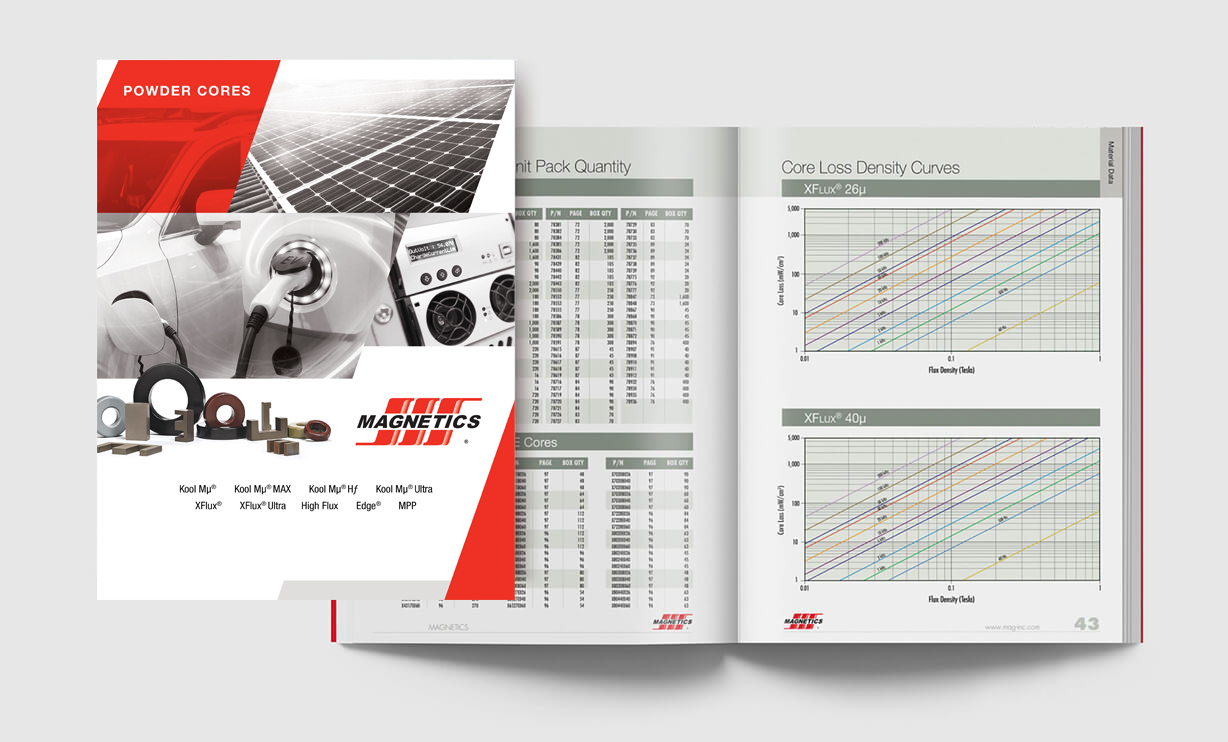
Charting Excellence: A Comprehensive 200+ Page Catalog Packed with Technical Line Art and Data
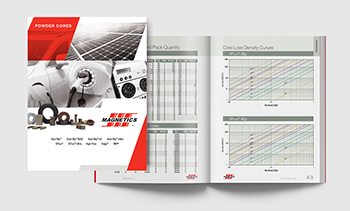
Technical Products Catalog Design – Loaded with Graphs and Charts.
The industrial catalog design shown contains over 200 pages of technical line art, detailed charts and graphs, plus tons of technical data for engineers. The design and pagination was developed for easy reference and the content is given enough air to increase readability.
Open for a Description of Technical Product Catalogs
This 200+ page industrial catalog was meticulously designed to cater to engineers and technical professionals. Given the complex nature of the content, the design prioritizes clarity, organization, and ease of reference, ensuring users can quickly find the information they need.
1. Technical Precision with Line Art & Data Visualization
Detailed technical line art provides accurate visual representation of components, ensuring engineers can examine designs with precision.
Graphs and charts simplify complex data, allowing for quick comparisons and insights.
Tables with structured data make specifications easily scannable, improving efficiency in technical decision-making.
2. Smart Pagination for Easy Navigation
A well-thought-out layout and pagination system ensures that product families and technical categories are logically grouped.
Consistent headers, footers, and section markers help users locate key information without flipping through unnecessary pages.
Indexing and cross-referencing facilitate effortless lookups, saving engineers time.
3. Readability and Visual Balance
Given the density of technical data, ample whitespace (air) is strategically incorporated to reduce eye strain and improve legibility.
A clean, structured grid system keeps content aligned and easy to follow.
Thoughtful use of typography ensures that specifications and notes remain clear even at small font sizes.
4. Functional Yet Professional Aesthetic
The design feels technical yet modern, aligning with the expectations of engineers and decision-makers.
Color-coded sections and highlights are used to distinguish product types and performance categories.
A balance of form and function, ensuring that the catalog serves as both a reference guide and a marketing tool.
This catalog isn’t just a collection of data—it’s a well-designed engineering resource that enhances usability while maintaining a highly technical, professional appearance
Innovative Solutions
Transforming Ideas into Stunning Designs
Explore our creative services for industrial clients
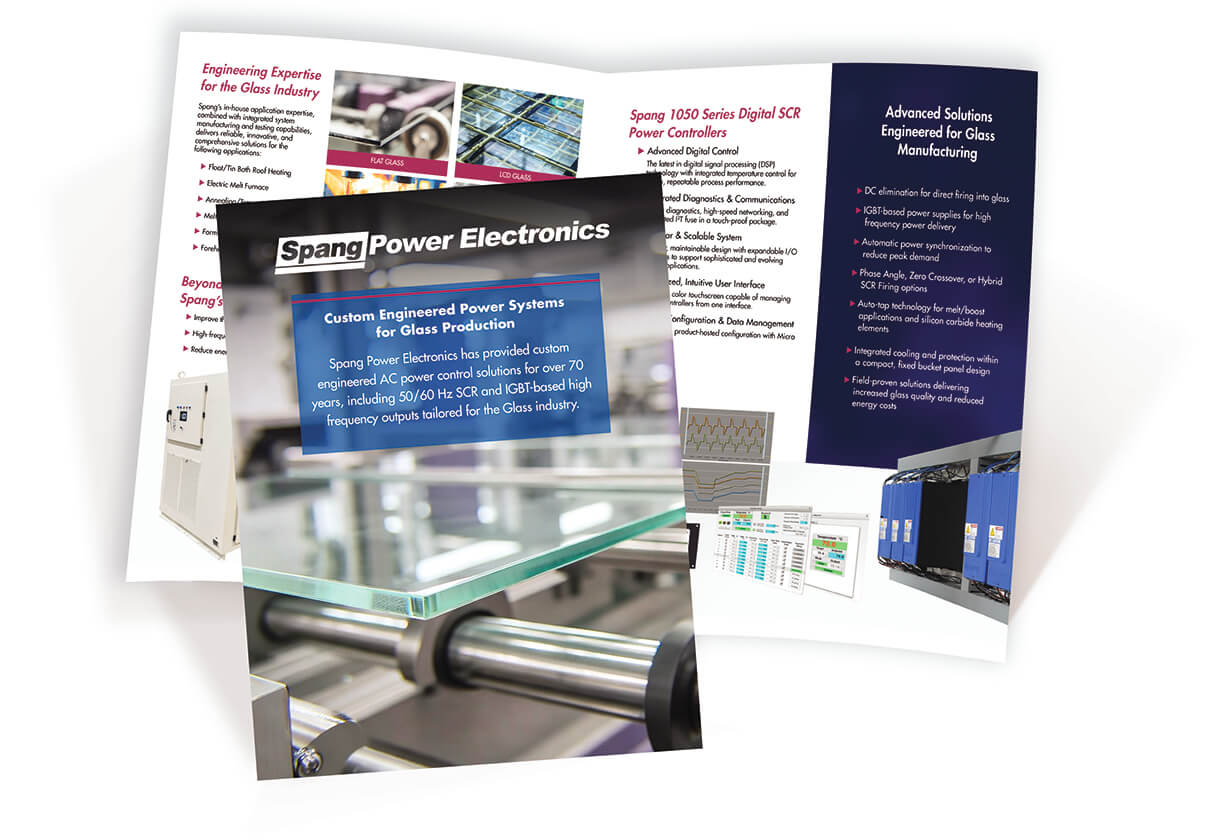
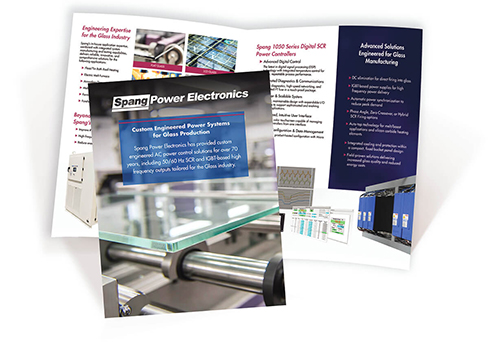
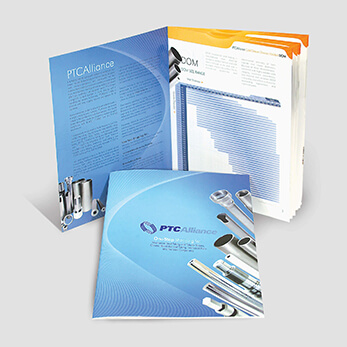
Crystal Clear: A Power Control Brochure for Engineers in Glass Manufacturing
Open for a Description of Our Power Controls Brochure for Glass Manufacturers
1. Getting to Know the Product
Every project starts with a conversation. We met with our client’s team to learn about the power control devices, how they’re used in glass manufacturing, and what makes them stand out. We review technical specs, engineering diagrams, and existing materials, and we identify who the brochure is speaking to—typically engineers, plant managers, or purchasing teams. This helps us make sure the brochure communicates the right information in the right way.
2. Organizing the Information
Industrial products often come with a lot of technical detail, so our next step is organizing that information into a clear and logical structure. For a 4-page brochure, we typically include a strong cover, an overview of the product and its benefits, detailed features and specifications, and a clear next step for the reader. We simplify complex data using charts, callouts, and easy-to-read specification tables.
3. Creating the Design Direction
Once the content structure is clear, our designers develop a visual style for the brochure. Because these are large, sophisticated power control devices, we focus on strong product photography, clean typography, and a layout that feels precise and professional. The goal is to highlight the engineering quality of the equipment while keeping the pages uncluttered and easy to read.
4. Building the Layout
With the design direction approved, we create the full brochure layout. Product images, technical diagrams, and performance charts are carefully integrated into the pages. Important features and specifications are highlighted with visual elements like icons, callouts, and sidebars so readers can quickly find the information they need.
5. Refining and Preparing for Production
Finally, we review the brochure together to make sure everything is accurate and aligned with your brand. After any adjustments are made, we prepare the final files for print and digital use. The finished brochure presents your equipment clearly and professionally, helping customers quickly understand the value and capabilities of your technology.
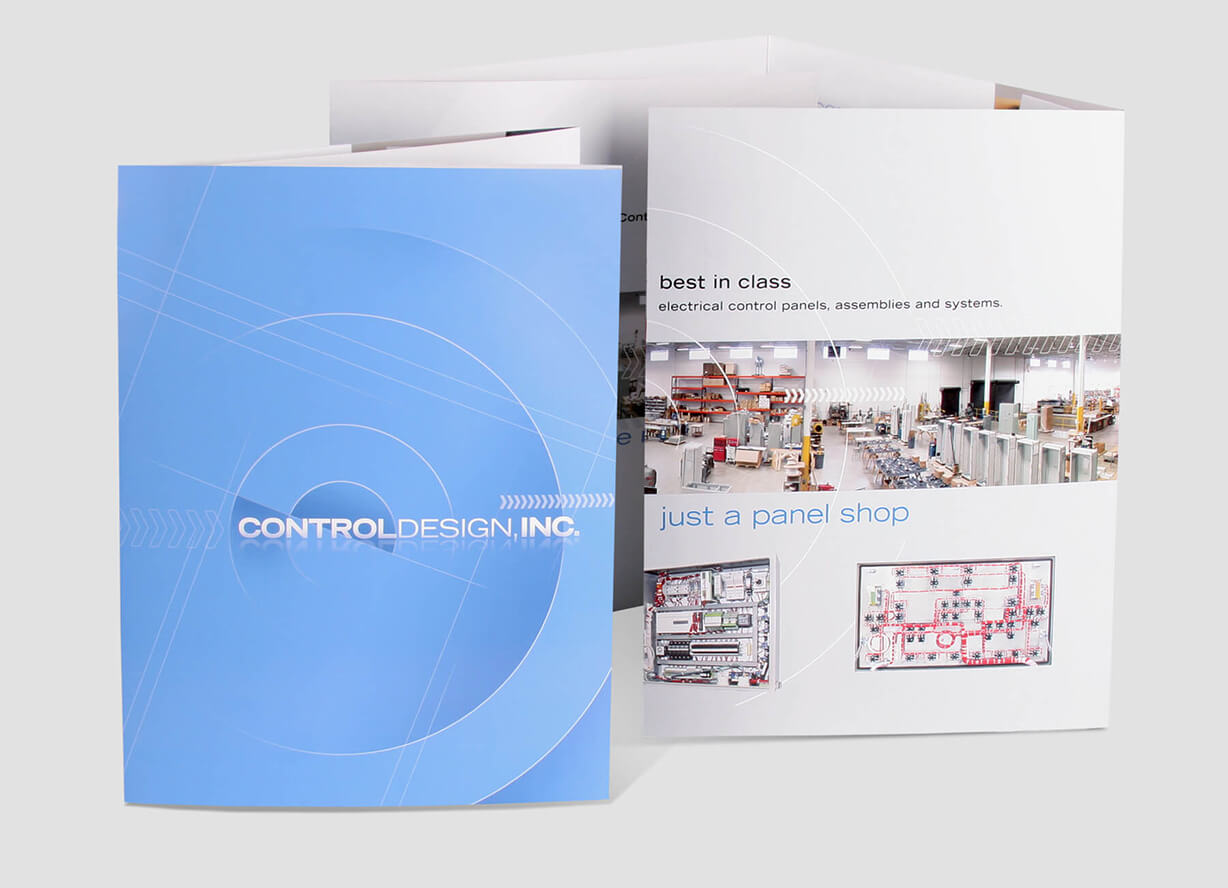
From Small Components to Big Solutions: Discover the Power of Our Oversized Catalog Designs
Control Panel Design and Manufacturing
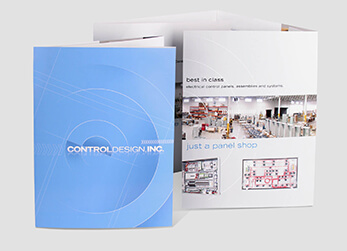
Shown is an oversized, 8-panel brochure which was designed on a scale to impress. The large centerfold has a continuous image of a control panel manufacturing facility combined with many smaller close-up images of control panels.
Our Process
Step 1
We begin by understanding your vision and requirements. During this initial phase, we gather details about your goals, target audience, and design preferences to ensure we align with your expectations.
Step 2
We move to the design phase. Our team crafts visual concepts that encapsulate your brand identity while focusing on your audience’s desires.
Step 3
We work with you, proofing details and making edits until you’re satisfied with the design. Once you’ve approved the artwork, we prepare both printing and digital distribution files.

A Spectrum of Solutions: Communicating Water Treatment Processes in a Colorful Brochure
Veolia Water Systems
Monochromatic images create a background for informative charts and line art in this industrial water facilities brochure.
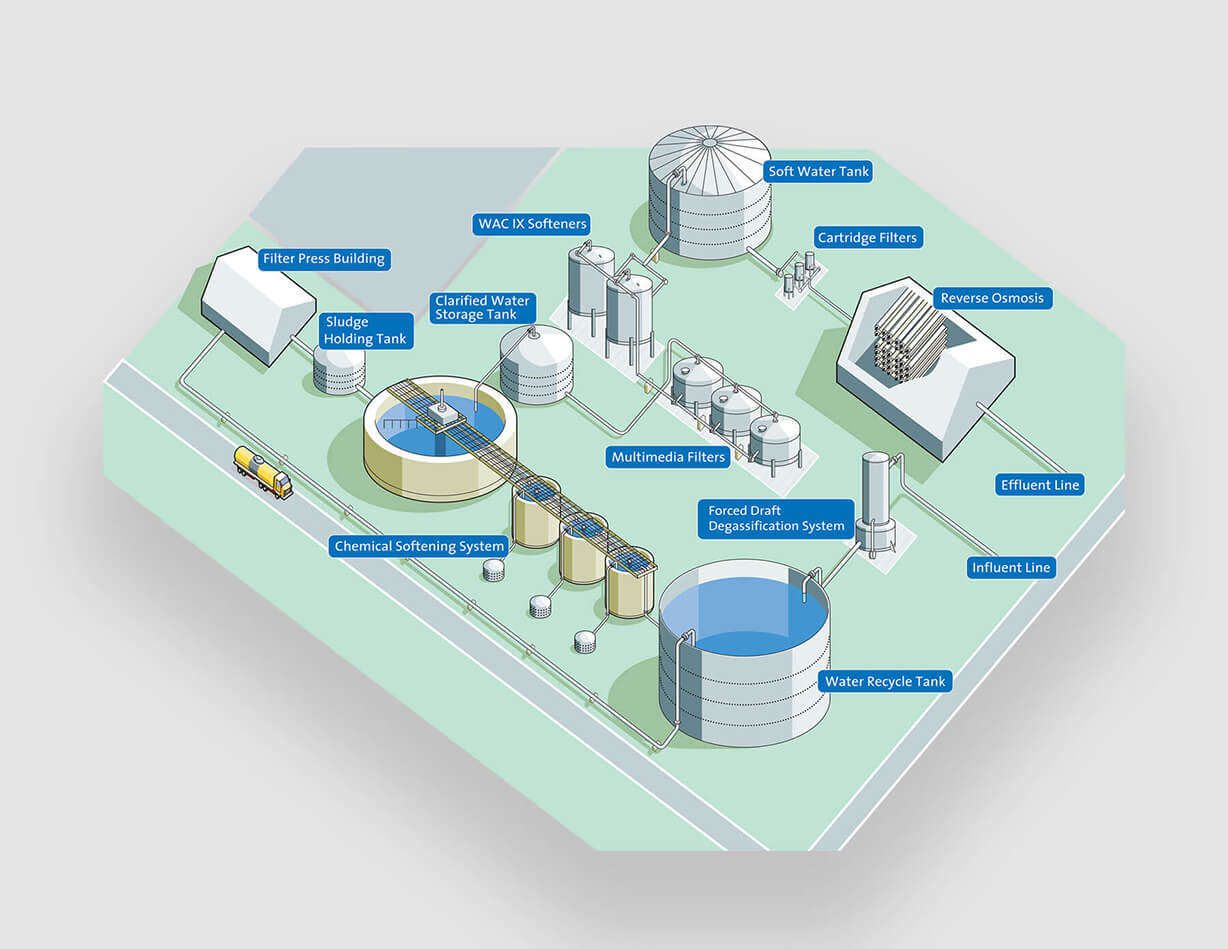
Simplifying Complex Processes: Rendering Industrial Facilities with Clean, Accurate Line Art
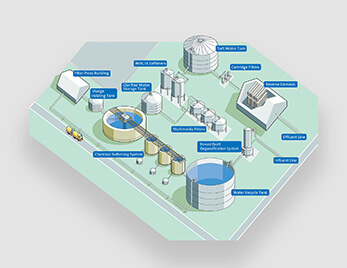
Complex Manufacturing Process Illustration
We created this clean and simplified illustration of a large commercial facility before it was built. The illustration was created using client-supplied architectural and CAD drawings as reference.
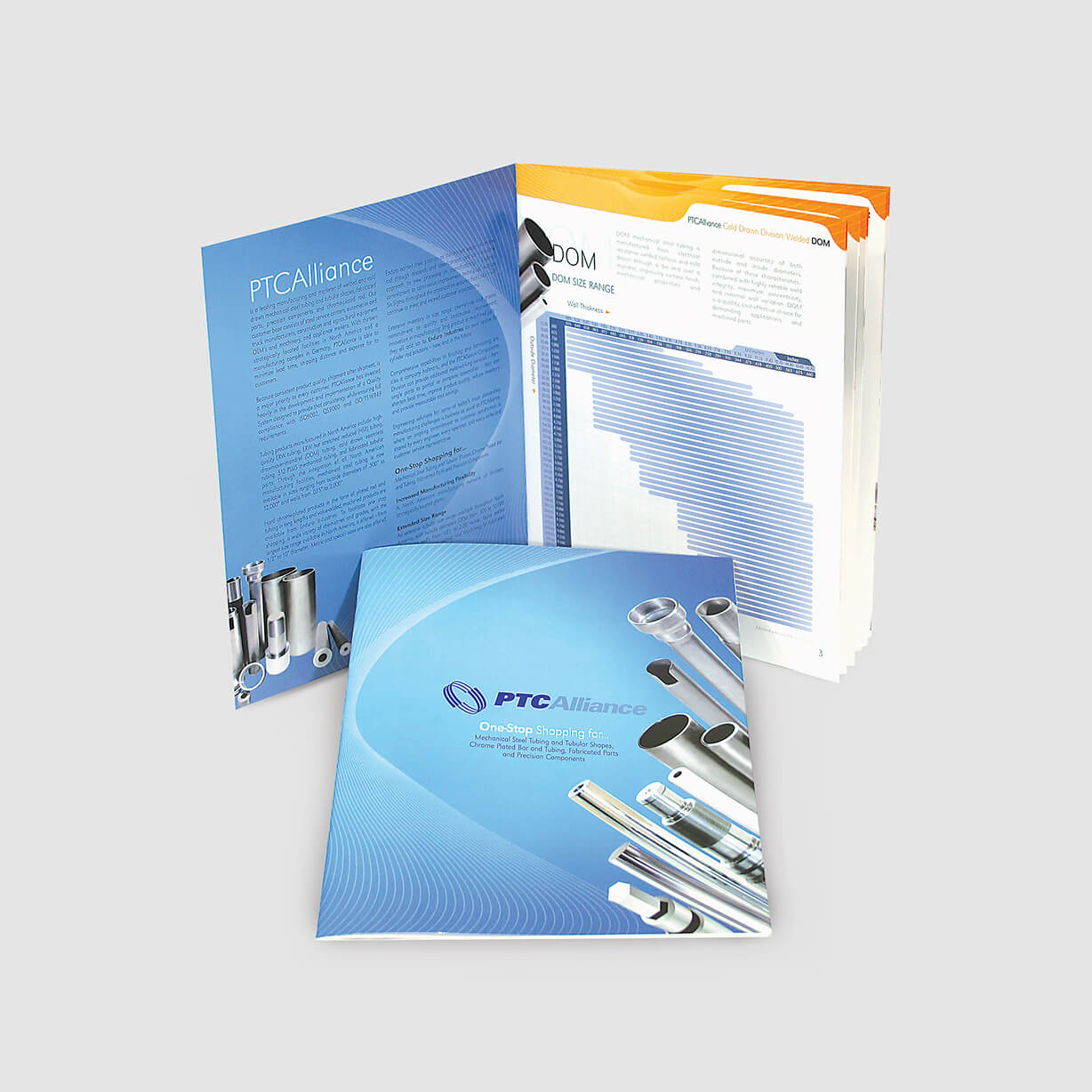
Steel, Style, and Substance: The Artistry of a Well-Designed Product Catalog
Mix Printed Catalogs and E-catalogs for Digital Distribution
All of our industrial catalog designs can be printed traditionally and/or used as pdfs and online flip-books. The pdfs and online flip books can be updated easily and at low cost. Pdfs also have hyperlinked Table of Contents, so users can easily get to the pages they want.
The printed catalogs are used as reference and salesman hand-outs.
Get Your Custom Quote Today
Ready to elevate your brand? Connect with us to discuss your vision and get a personalized quote tailored to your needs. Our team specializes in industrial graphic design to help you stand out in the market.
Frequently Asked Questions
Get answers to your questions about our services.
Project timelines can vary based on the complexity of the work involved. On average, a 4-page catalog can take as little as 3-4 days. More complex, multi-page catalogs can take several weeks. We will provide a schedule of events showing the timeline and responsibilities of each party. We ALWAYS meet our deadlines.
Of course you can make changes. We typically allow for multiple revisions during the design phase. Your feedback is crucial, and we want to ensure that the final product reflects your vision.
Your finalized brochure will be delivered in both print-ready format and a digital version. If you want printed catalogs, we provide quotes showing the cost of various quantities.
Generally, all of our brochures are created using Adobe’s Creative Suite (Illustrator, InDesign, Photoshop, etc.). We also create using Canva on your account or ours.
Still have unanswered questions?
If you have more questions or need further clarification, feel free to reach out. We’re here to help guide you through the process and ensure you have all the information you need.